

About Citrus Trees
Wonder where the juicy and tangy group of fruits, like lemons, limes, oranges, grapefruits, and tangerines, come from? They come from trees called citrus trees, which belong to the group of flowering trees known as the Rutaceae tree family. These trees initially came from Southeast Asia but had been cultivated for thousands of years in warm climates around the world, like parts of Australia.
These evergreen trees boast glossy leaves and fragrant flowers. Their fruits are celebrated for bright colours, zesty flavours, and high vitamin C content. Citrus trees usually grow from 10 to 30 feet in height and require well-drained soils with sufficient sunshine.
Besides fruit production, citrus trees also have ornamental value. They are full of glossy leaves, fragrant flowers, and colourful fruits, which adorn gardens in Australia. Proper care of the trees, such as regular irrigation, fertilisation, and frost protection, is the sure way of maintaining healthy growth and fruit production.
Where do citrus trees grow best in Australia?
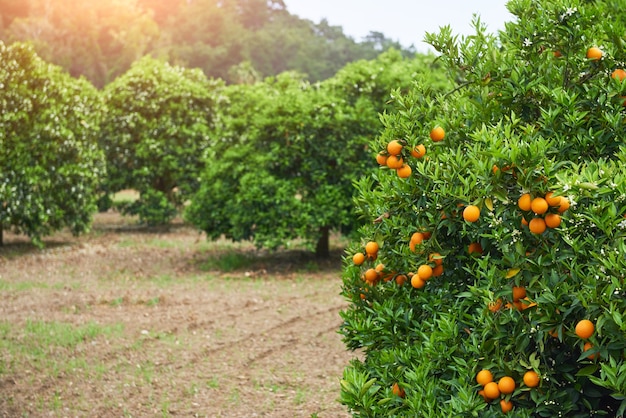
Citrus trees thrive in the warmer regions of Australia, such as the Sunshine Coast, Wide Bay-Burnett, Far North Queensland, Northern Rivers, Central Coast, Riverland in South Australia, and Murray Valley. Check out Kilby Park Tree Farm Local wholesale nurseries and agricultural experts can give specific advice on the best citrus varieties for a particular Australian location.
How long does it take for citrus trees to bear fruit?
Most citrus trees require about 3 to 5 years to produce a significant harvest. Here’s a typical fruiting timeline:
- First Year: Trees focus on establishing their root system
- Second Year: Initial flower production begins
- Third to Fourth Year: Small fruit yields emerge
- Fourth to Sixth Year: Full fruit production commences
Proper care, including consistent watering, nutrition, and pest management, significantly influences fruit production.
What time of year do you plant citrus trees?
In Australia, the ideal planting time is during spring or early autumn. Spring allows trees to establish roots before summer’s heat, while early autumn provides moderate temperatures for root development. Always consider local climate conditions and avoid planting during extreme temperatures.
Does a citrus tree need too much sun?
Citrus trees love sunshine, typically requiring 6 to 8 hours of direct sunlight daily. Insufficient light can lead to weak growth and poor fruit production. While they prefer full sun, some varieties can tolerate partial shade. In hot Australian climates, a bit of afternoon shade can actually protect trees from intense heat.
How much space do citrus trees need?
Space requirements vary by tree type:
- Standard citrus trees: 15 to 25 feet apart
- Dwarf varieties: 6 to 10 feet apart
Consider root spread, maintenance access, and overall garden design when positioning your trees.
What is the lowest temperature citrus trees can handle?
Cold tolerance varies by variety. For example, the hardiest varieties can withstand temperatures around 20 to 25°F (–6 to –4°C). However, most standard varieties are damaged below freezing point.
Protect trees during unexpected cold snaps, especially in cooler Australian regions.
Can you grow full-size citrus in pots?
Absolutely! Choose a large pot (15 to 20 gallons), use well-draining soil, ensure plenty of sunlight, and be prepared to provide extra care. Potted citrus trees require regular watering, fertilisation, and winter protection.
What is the best fertiliser for citrus trees?
Look for a balanced fertiliser specifically formulated for citrus, with a ratio like 2:1:1 or 3:1:1. Opt for slow-release options that provide steady nutrients and include essential micronutrients. Always follow package instructions to avoid overfertilization.
Do bees like citrus trees?
Bees absolutely love citrus tree flowers! They are crucial for pollination, helping to ensure fruit development. The fragrant, white blossoms attract bees, supporting both fruit production and local ecosystem health.
How long do citrus trees live?
With proper care, citrus trees can live 30 to 50 years, with some exceptional trees reaching 75 years. Regular maintenance, appropriate watering, and pest control help extend their productive life.
How often should you water newly planted citrus trees?
Initially, water two to three times per week, keeping soil consistently moist. Proper watering is essential during the first year after planting, as it helps the citrus tree establish a healthy root system and promotes overall growth. As the tree establishes, reduce frequency to once a week or every 10 days. Always check soil moisture and avoid waterlogging.
Can citrus trees grow in shade?
Advance Citrus trees prefer full sun but can tolerate some partial shade. However, limited sunlight may reduce fruit production. If shade is unavoidable, choose shade-tolerant varieties and position trees in the sunniest available spot.
How do I know if my citrus tree needs water?
There are several indicators that can help you determine if your citrus tree needs water. To know whether your citrus tree needs water, watch for:
- Dry soil 2–3 inches below surface
- Drooping or wilting leaves
- Yellowing or browning leaf edges
- Smaller, less flavourful fruit
Are citrus trees slow-growing?
Citrus trees have a moderate growth rate. Early years focus on root establishment, with growth accelerating as the tree matures. Proper care and favourable conditions support steady development.
Is Epsom salt good for citrus trees?
While Epsom salt can address specific magnesium deficiencies, it’s not a universal solution. Conduct a soil test first and consult local horticultural experts. A balanced, citrus-specific fertiliser is often a more reliable approach.
