

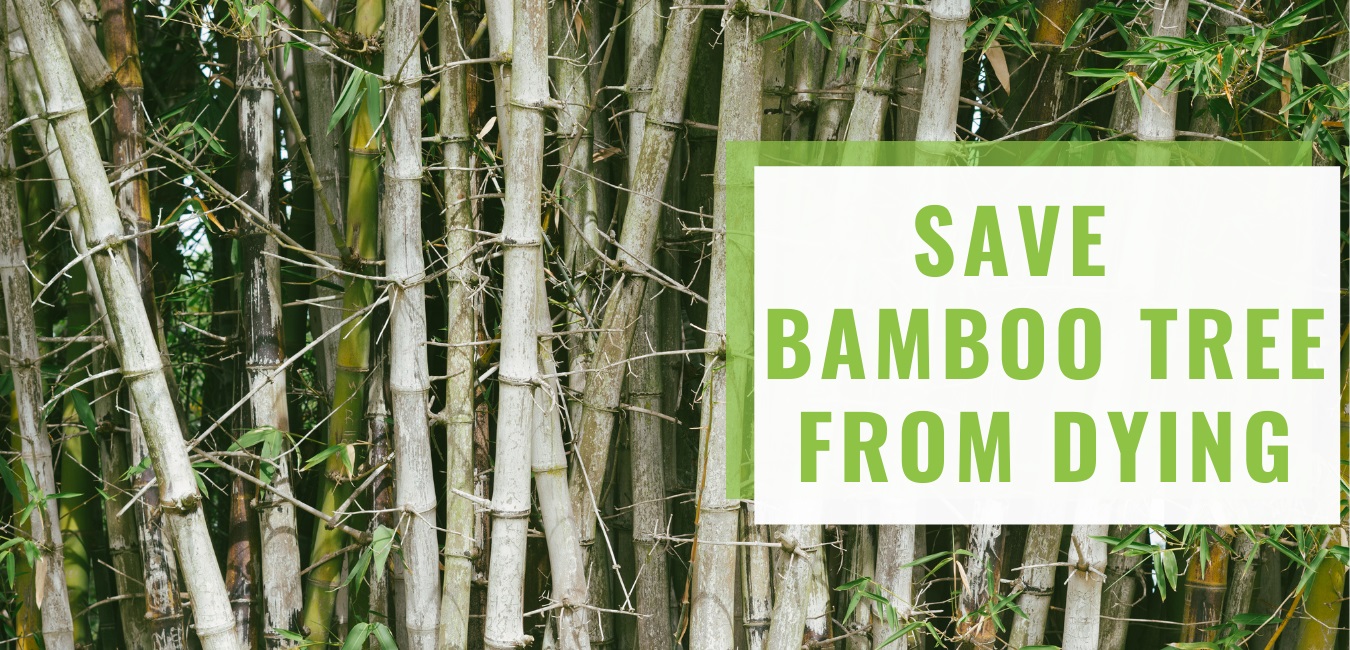
Bamboo Tree
Bamboo trees are a favourite addition in any outdoor green space. They complement other aspects of the garden well and provide a visual feast for those who appreciate natural floral beauty. The bamboo species is an evergreen plant variety that is a type of grass found all over the world. Bamboo enjoys moist conditions with a good drainage system to allow it to develop well. The plant is fast growing because it is hollow on the inside but does take a long time to propagate. The plant is known for fetching high prices given the effort involved in breeding new bamboo.
The tree can survive in hot and cold temperatures and offers great screening protection. At Kilby Park Tree Farm, we offer bamboo wholesale to landscapers and gardeners. For the best variety of bamboo plants at a bamboo nursery in Melbourne, browse our entire range online. Our bamboo plants are all kept in healthy conditions and are ready to be replanted in the ground or pot at its new home. It is important to ensure that your soil is moist and, following planting, make sure that the plant receive indirect sunlight and regular watering. Avoid fertilising at the start, and take care of your new plant by applying an organic compost with slow releasing nutrients.
If you notice bamboo leaves turning yellow, it could be a sign of stress due to factors such as overwatering, poor drainage, or nutrient deficiencies. Regularly monitor the health of your bamboo to ensure it remains healthy and vibrant.
Given below are the steps to save bamboo tree from dying
Yellowing Bamboo Leaves is an alarm
Yellow bamboo leaves should not be ignored. The cause of yellow leaves is either lack of watering, too much sunlight, chlorinated water, poor draining soil system or under or over fertilising. Whatever the cause might be, it is best to remove the yellow leaves immediately by pruning the plant with sharp and sterile scissors. Since the plant grows fast, any unhealthy symptoms can spread fast so it is wise to remove any yellow bamboo leaves without delay. Take care when pruning the plant to avoid damaging the stem or leaves, or transferring the unhealthy condition to other stems.
Fertilize One to Two Times Per Year
Avoid fertilising the bamboo plant regularly throughout the year. One or two times per year with an appropriate liquid fertiliser is sufficient. The best time to fertilise bamboo is during Spring and Summer. Remember to check whether your plant needs fertiliser. If the plant is healthy, fertilising should be avoided. Bamboo plants are hardy and with regular water and indirect sunlight, the plant will thrive and grow fast in all weather conditions. Your bamboo plant might also benefit from the soil being replaced on an annual basis with organic compost with slow releasing nutrients.
Avoid Chlorinated Water
Bamboo plants do not like chlorinated water. The chlorine in water will affect the root system and cause the plant to become unhealthy. If the water from your tap or bottle contains traces of chlorine (you can test this with a kit from your hardware store), make sure you readjust the pH level of the water so that it averages pH 6.0 before applying to the bamboo plant. You must also ensure that the existing soil condition of the bamboo plant does not exceed pH 6.0 otherwise the water will not neutralise the chemical balance in the soil. Over time, chlorine from rainfall will build up in the root system so it is important to clean the plant with neutral water and ensure that the soil drains well.
Keep the Bamboo’s Bowl Clean (in case of small bamboo plant)
The bowl of a bamboo plant must be kept clean. Replace the water every 7 to 10 days and ensure that the water is at room temperature – i.e. not too hot or not too cold. Replacing the water to the root system can shock the plant so take care and ensure that the roots are not left exposed for too long between changing the water. Make sure the pH of the water is around 6.0 and avoid adding in liquid fertilisers during the water change. When cleaning the bowl, use plain tap water without any soaps or liquids and ensure that all dirt, deposits and other chemicals are removed from the bowl.
Prune Dying or Dead Leaves and Stems
If your bamboo plant has dying or dead leaves or stems, you will notice that the leaves or stems are turning yellow. This is a sign that the plant is unhealthy and if untreated will spread to other parts of the bamboo plant. To prune dying or dead leaves and stems, make sure that you use pointy and sterile scissors so that the plant is pruned without contaminating the rest of the plant. Make sure you dispose the cut leaves and stems securely so that the unhealthy symptoms do not transfer to the healthy parts of the plant. To avoid bamboo leaves and stems turning yellow, make sure you place the plant in indirect sunlight, water regularly and ensure that the water is draining through the roots effectively.
Bamboo Plants available at Kilby
- Bambusa oldhamii – This grand bamboo variety can reach heights of approximately 16 metres. If you are redesigning your garden with either a tropical or Japanese look, this variety offers optimal coverage and can be planted in series to screen out the surrounds. The long leaves and solid culms offer a crisp visual display.
- Bambusa textilis Gracillis – With its speared and pointy leaves, this grass variety can grow to a height of 7 metres. Like all bamboo plants, this variety prefers part shade and regular watering. Remember to prune yellow leaves and to ensure that the root system is well irrigated and drained.
- Drepanostachyum falcatum – A soft and compact bamboo that clumps together, this variety makes for a pleasant bushy houseplant. Growing to 3 metres high by 1 metre wide, a series of these plants in pots will provide the perfect indoor screening.
- Thysanolaena maxima – The broad grassy green leaves of this plant offer the optimal screening protection. It is a fast growing variety that performs well in full sun to part shade with best results with regular watering and moisture.
Growing Bamboo at Home
Fancy adding a touch of the Orient to your garden? Bamboo might be just what you need. These elegant plants bring a dash of zen-like calm to any outdoor space, whether you are looking to spruce up your patio or create a natural screen from nosey neighbours.
If you are working with limited space, bamboo’s upright growth is brilliant – you will get plenty of greenery without it hogging all your garden. For home gardens, stick to clumping varieties. They are easy to maintain and non-invasive, unlike other bamboo tree in melbourne varieties. They are particularly well-suited to Australian gardens and are pretty low-maintenance – just keep them watered and in a sunny spot. As a bonus, they are fantastic at filtering out air pollutants and dampening street noise. Whether your garden’s modern and minimalist or full-on tropical paradise, bamboo fits right in.
Practical Uses of Bamboo
You might be surprised just how handy bamboo can be. It’s tough as old boots yet flexible enough for builders to use it for everything from temporary scaffolding to posh flooring and furniture. Environmental buffs love it too as it grows fast and absorbs large amounts carbon dioxide.
Need a bit of privacy in your garden? Bamboo’s your plant. It makes a cracking windbreak and helps keep soil in place too. You will spot it beautifying gardens and parks everywhere. That’s not all – bamboo is used to make textiles, paper, and even biodegradable utensils.
Farmers use it to feed their livestock, and the shoots are considered to be a delicacy in Asian cooking.
Bamboo: Tree or Grass?
Here’s a fun fact that might surprise you – despite its woody appearance, bamboo dying is actually a grass! While it might look like a tree with its sturdy stems, it’s part of the same family as your lawn. Unlike proper trees, it doesn’t have a trunk but grows in clusters of stems (called culms) that spring up from underground runners.
Being a grass is what gives bamboo its remarkable growing power – some types can shoot up a metre in just 24 hours. This makes it brilliant for sustainable harvesting – you can keep chopping it back and it will keep coming back for more. Even though it’s technically a grass, this plant can be as strong and useful as any tree!
Blogs Related to Bamboo Plants
FAQs- Bamboo Tree and Plants
Can yellow bamboo turn green again?
Healthy bamboo is green in colour. If you start seeing signs of yellow bamboo, it means that the plant is unhealthy. Remove the yellow leaves or stems and dispose. Ensure that the remaining green bamboo is unaffected and check that the water soil condition is pH 6.0 and that the water is draining well through the soil.
How quickly does bamboo grow?
Some species of bamboo are among the fastest growing plants on earth. They can grow as much as 91 centimetres (35 inches) in one day, under perfect conditions. This fast rate of growth for bamboo is because it is a grass, which makes it have a unique kind of rhizome-dependent root system meant to give enormous vertical growth.
Factors affecting the speed at which bamboo grows:
Species – The growth rate of bamboo trees depends widely upon its species.
Climate – Warm and humid conditions speed up the growth of bamboos.
Soil – Fertile, well-drained soil helps grow plants faster.
Water – Constant moisture is a requirement for fast growth.
This rapid growth rate has made bamboo an eco-friendly building material for the construction and furniture industries, and the preferred material for landscaping.
How tall can bamboo grow?
Bamboo species may grow to varying heights. Dwarf bamboo, for example, grows a mere 1–2 metres or 3–6 feet tall, whereas giant bamboo (Dendrocalamus giganteus) reaches up to 30 metres or 98-feet tall when environmental conditions are perfect.
how to save a bamboo plant?
You can preserve a bamboo plant by watering it regularly, draining the water from the roots, removing yellow leaves, repotting the bamboo plant if the roots outgrow the pot, and by ensuring that all the roots are covered with soil and rocks. Like any plant, care and attention is required so that it stays healthy all year round.
How often should bamboo be watered?
Bamboo plants love water. Watering well once a week is advised. If there is enough rainfall, then watering less frequently is appropriate. However, make sure the water drains properly and does not cause the roots to become waterlogged or soggy. This can damage the bamboo plant.
Which bamboo is best for pots?
The best types of bamboo for pots are: Fargesia murieliae ‘Rufa’ (Umbrella bamboo), Fargesia nitida (Chinese fountain bamboo), Phyllostachys nigra (Black bamboo), Phyllostachys flexuosa (Sinuate bamboo), Semiarundinaria fastuosa (Narihira bamboo) and Phyllostachys vivax Aureocaulis (Golden chinese timber bamboo). Since bamboo roots are strong because they seek lots of water, have a well-built pot or container.
How do I know if my bamboo is healthy?
Green bamboo is healthy. If the bamboo plant receives enough sunlight, is planted in a moist ground with good drainage and the soil condition is stable at around pH 6.0, your bamboo plant will thrive. To care for bamboo, water well once a week and ensure any yellow leaves are removed immediately.
why are my bamboo leaves turning yellow?
If your bamboo plant has yellow leaves or a yellow stem, take care to avoid spreading the cause to other bamboo stems. Remove yellow bamboo using a sterile device and dispose securely. Yellow is a sign that the plant is unhealthy due to an unstable pH in the soil. You should clean the soil and the plant with bottled water to help bring the bamboo plant back to full health.
How do you revive a dried bamboo plant?
Bamboo plants enjoy being watered to stay healthy. To help retain moisture around the root system, apply mulch and do not rake up fallen leaves. Bamboo plants enjoy indirect sunlight so ensure that there is sufficient shade. The ideal pH of the soil should be around 6.0.
How do you keep bamboo from rotting?
To prevent sawn bamboo from rotting, avoid direct soil contact. Bamboo that has been removed from the ground for application should be kept off the ground because moisture will cause the bamboo to rot and become susceptible to mould, fungi and termites. Make sure you seal the bamboo with a suitable oil or varnish.
